



For nearly two decades, US electricity demand barely moved. That era is over. Utilities are now being asked to serve rapid growth while keeping bills affordable, at the same time as the way customers use electricity is changing underneath them. Meeting both challenges at once takes a different kind of visibility into the grid.
Demand is growing, and so is the pressure on bills
US Utilities and planning authorities now forecast 166 GW of new electricity demand by 2030, more than six times what they projected just three years ago, according to Grid Strategies’ analysis of FERC filings. Data centers, manufacturing and electrification are all contributing. Customers are already feeling the cost. A recent federal analysis shows electricity rates rose 7.3% between April 2025 and April 2026, and utilities requested a combined $18.6 billion in rate increases in the first half of 2026 alone (Consumer Reports). Investments in growth, combined with long-deferred maintenance and soaring inflation have converged to create new investment pressures not seen in years.

The edge of the grid is changing
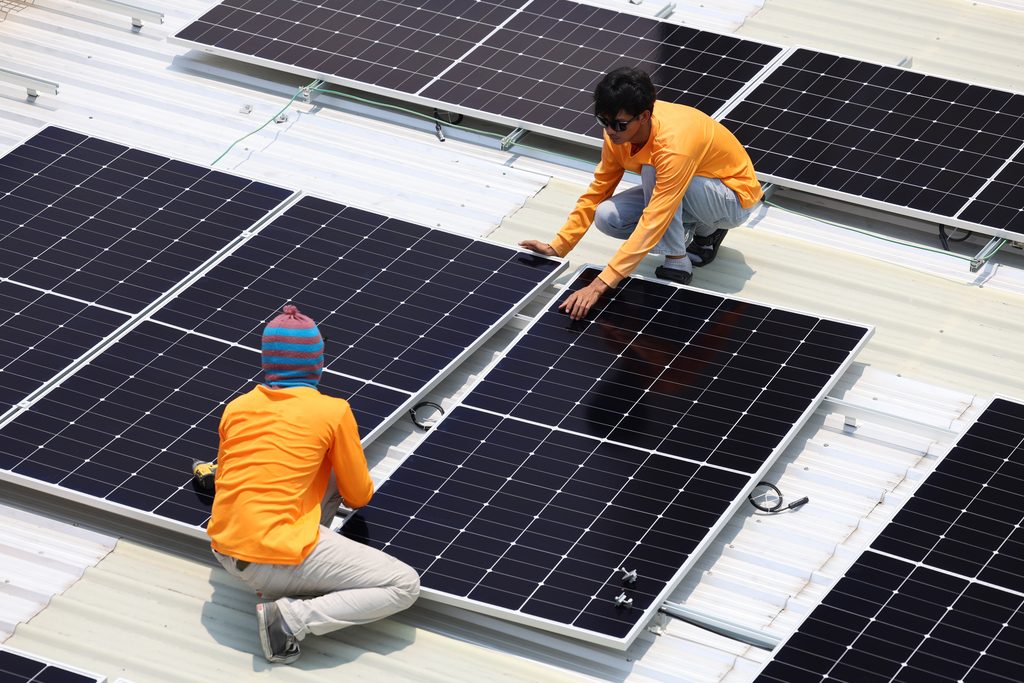
At the same time, rooftop solar, batteries, EVs and load control devices are being deployed at pace. Berkeley Lab’s latest dataset counts roughly 5.3 million distributed solar systems installed in the US through the end of 2025 (pv magazine), and in the second quarter of 2026, 46% of new residential solar systems were paired with storage (APPA).
These devices are changing how and when electricity is consumed. Power now flows in both directions, and a passing cloud bank or a street of EVs plugging in at 6pm can shift conditions on a feeder within minutes.
They are also an opportunity. The industry increasingly sees virtual power plants as a key enabler of load growth (APPA), but only if utilities can see these resources and coordinate them.
Unlocking the capacity utilities already own
Put those two forces together and the challenge becomes clear. Utilities can run the grid more efficiently and unlock the capacity hidden in the networks they already own. In practice, that looks like this:
- Transformer and feeder loading: interval data from every meter shows which transformers are running hot and when, so crews can act before a failure, and planners can target upgrades where they are needed rather than everywhere.
- Voltage management: as solar output rises and falls, meter-level voltage data shows where customers drift out of range, so utilities can respond without overbuilding.
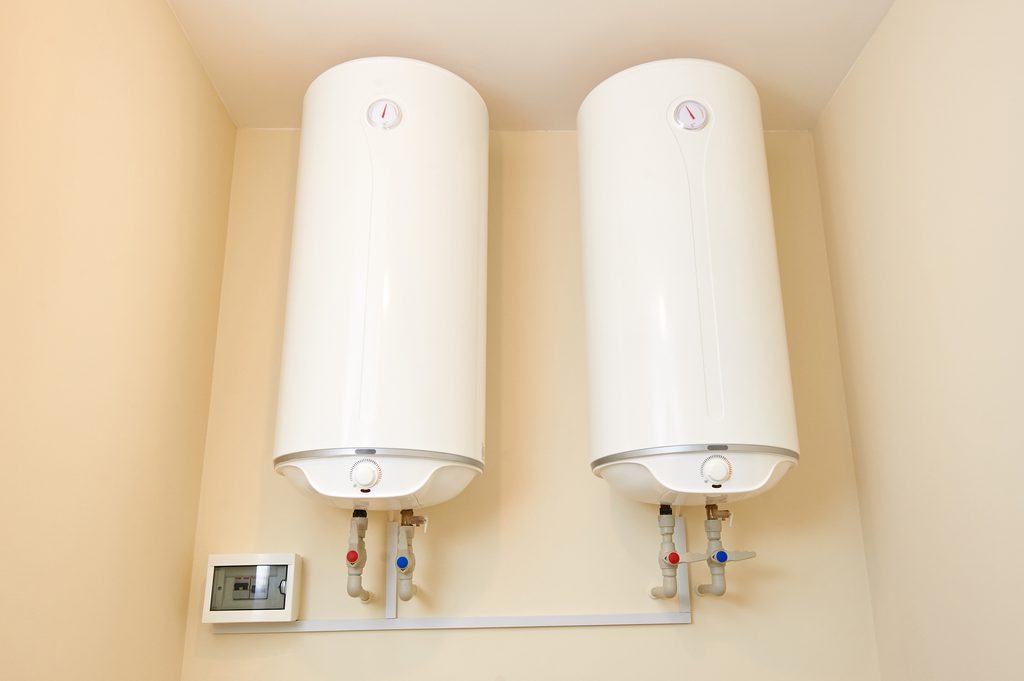
- Flexible load: water heaters, batteries and EV chargers can shift consumption away from peaks, freeing up capacity on constrained parts of the network.
- Hosting capacity: knowing actual network conditions lets utilities connect more solar and new loads safely, instead of relying on static and conservative assumptions.
All of this depends on far more detailed data that is gathered more regularly, combined with multiple types of analysis. It’s the base capability needed together with the ability to control and orchestrate devices in real time. Grid conditions change constantly, and substation-level visibility is no longer enough.
“For more than a century, utilities have built the grids needed to meet our energy needs,” said Eric Dresselhuys, Global Group CEO of CrescoNet. “The utilities that thrive over the next decade will be the ones that leverage technology to improve efficiency and utilization, getting more return on their grid investments.”
Why AMI 1.0 isn’t up to the task
Most metering systems in the field today were designed for a different job. AMI 1.0 was built to improve the meter-to-bill process: replacing manual reads, producing more accurate bills and speeding up connections and disconnections. It did that job.
But many of these systems were built 10, 15 or even 20 years ago and were never designed to orchestrate the dynamic energy system we have today. Developments in technology over the past two decades allow distributed sensing, compute and control at levels only imagined during AMI1.0, enabling the open, standards-based and distributed systems now required. Many utilities, including a number of municipal utilities and cooperatives, are already moving beyond it.
Already running in Australia and New Zealand
This isn’t theory. Australia has the highest household rooftop solar uptake in the world, with more than one in three homes fitted with panels (Clean Energy Regulator, via National Herald). Rooftop solar output is now so significant that Australian authorities have tested backstop mechanisms to switch it off in an emergency (RenewEconomy). Utilities there have been managing the challenges now arriving in the US for years.
CrescoNet manages 3.5 million meters globally. In Australia, those meters capture usage in five-minute intervals across up to 3-10 channels of data, monitor power quality at the edge and feed a constant stream of data into our platform. With this real-time monitoring and control, distributed resources like batteries, load control devices and other behind-the-meter assets such as hot-water heaters can be controlled in real-time, balancing the strains on the distribution network as needed. Intellihub relies on that platform as it scales.
“CrescoNet has been an indispensable partner in scaling up the Intellihub business to monitor and manage a portfolio that will grow to over 5 million electricity endpoints across Australia and New Zealand over the coming years,” said Wes Ballantine, CEO of Intellihub Group. “Their technology is at the heart of our front-of-meter and behind-the-meter managed services that our largest customers depend on.”
The grid of the future is here
Growing demand and a changing grid edge aren’t problems utilities can solve by building alone. They call for real-time visibility and control, down to the meter and the devices behind it. The tools to deliver that are already proven at scale.
As Wes Ballantine puts it: “For any utility looking to unlock real value from their data, CrescoNet is the partner we trust to deliver.”
To find out how CrescoNet can help your utility see and orchestrate its grid, get in touch with our team at www.cresconet.com/contact.